
Introduction
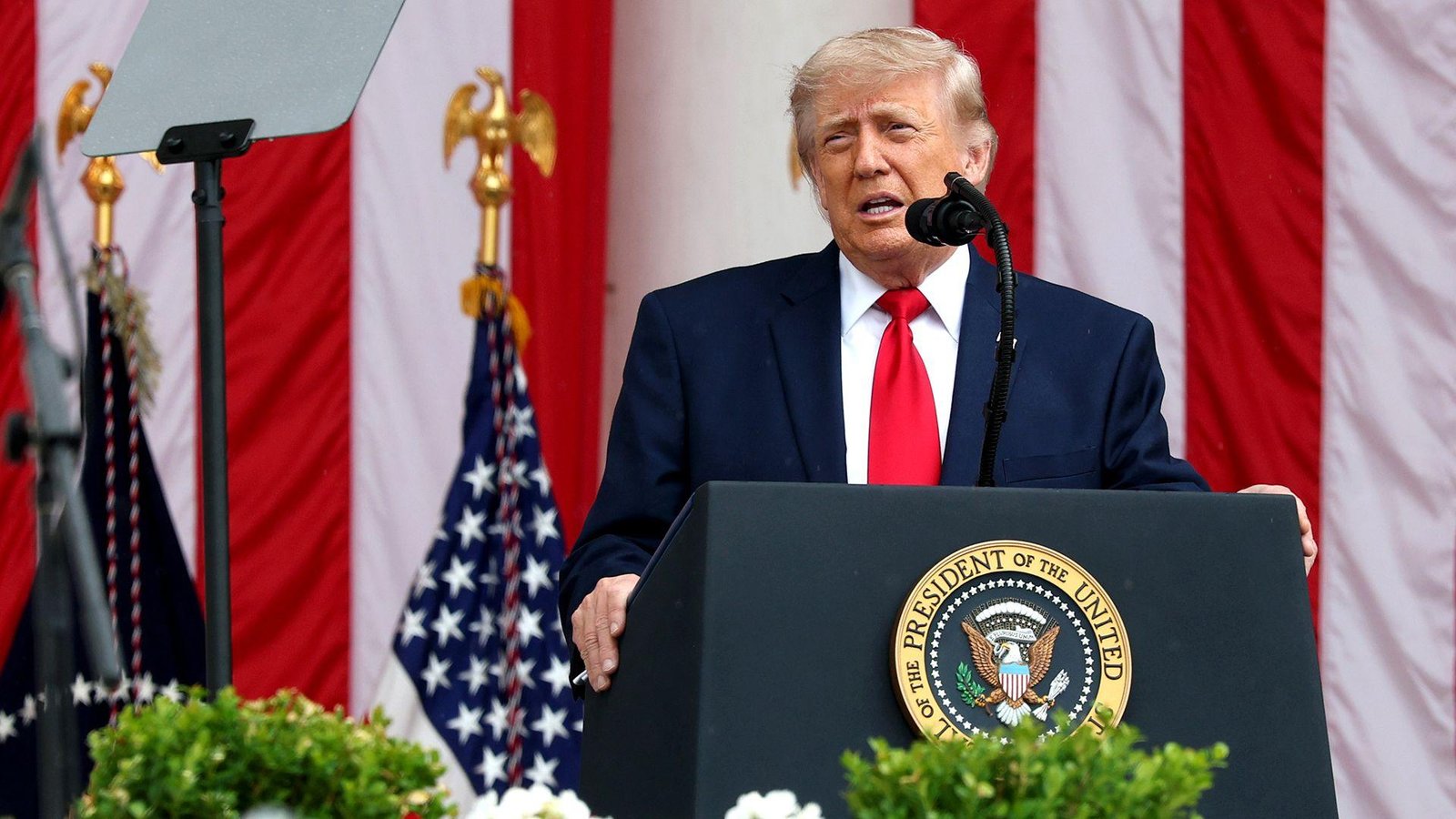
Few modern public figures have generated as much attention, discussion, and debate as Donald Trump. Over several decades, Trump has built a reputation as a businessman, television personality, and politician. His influence extends across real estate, media, politics, and popular culture, making him one of the most recognizable individuals in the world.
Supporters often view Trump as a disruptive leader who challenged traditional political norms and focused on issues they believed were being overlooked. Critics, meanwhile, argue that his approach to politics and communication created significant controversy and division. Regardless of perspective, there is little doubt that Trump has had a substantial impact on American public life.
Understanding Trump’s influence requires examining multiple aspects of his career. His story involves business ventures, media success, presidential campaigns, policy decisions, and ongoing political relevance. Looking at these areas together provides a broader understanding of why he remains such a significant figure.
Early Life and Family Background
Donald Trump was born in the New York City borough of Queens. Growing up in a family involved in real estate development exposed him to business concepts from an early age. His father, Fred Trump, built a successful real estate business that focused largely on residential properties.
During his youth, Trump attended several schools before eventually enrolling in the New York Military Academy. The structured environment emphasized discipline, leadership, and responsibility. Many observers point to this period as an important influence on his personality and competitive nature.
After completing his early education, Trump attended Fordham University before transferring to University of Pennsylvania. He graduated with a degree in economics, providing a foundation for his future business activities.
The combination of family business exposure, formal education, and personal ambition helped shape the career path that would eventually make him a nationally recognized figure.
Building a Business Empire
Trump’s business career became the foundation of his public identity long before he entered politics. Working within the family business allowed him to gain experience in property management, development, and investment.
Over time, he expanded into high-profile projects, particularly in Manhattan. Luxury buildings, hotels, office towers, and other real estate ventures became closely associated with the Trump brand. Many of these developments received significant media attention because of their scale and location.
Branding played a major role in Trump’s business strategy. Rather than focusing solely on property ownership, he worked to make his surname itself a recognizable commercial asset. The Trump name appeared on buildings, products, and licensing agreements around the world.
Like many large business careers, Trump’s ventures included both successes and setbacks. Economic cycles, changing markets, and business risks influenced the performance of different projects. Nevertheless, his business activities helped establish him as a prominent public figure long before his political career began.
Trump and the Media
Media exposure played a crucial role in Trump’s rise to national recognition. Long before social media existed, he frequently appeared in newspapers, magazines, and television programs.
His visibility increased dramatically through the television show The Apprentice. The program introduced him to millions of viewers and strengthened his image as a decisive business leader. The phrase “You’re fired” became one of the most recognizable catchphrases in television.
The show helped expand his audience beyond business circles. Many people who had little interest in real estate became familiar with through entertainment media. This broader recognition later proved valuable during his transition into politics.
Trump also demonstrated an unusual ability to generate media attention. Whether discussing business, politics, or current events, his comments frequently became news stories. This visibility contributed significantly to his public profile.
Entry into Politics
Although had occasionally expressed political opinions for many years, his formal entry into presidential politics transformed his public role. His campaign attracted widespread attention because of its unconventional style and messaging.
Supporters were drawn to his outsider image and his promise to challenge established political institutions. Many voters viewed him as someone willing to address issues they believed traditional politicians ignored.
His campaign strategy relied heavily on large rallies, direct communication, and extensive media coverage. Social media platforms also played an important role in helping him communicate directly with supporters.
The campaign demonstrated how political communication was evolving in the digital era. Traditional campaign methods remained important, but online engagement became increasingly influential.
Presidency and Policy Priorities
Trump’s presidency focused on several major policy areas, including immigration, trade, taxation, regulation, and foreign policy. These issues became central themes throughout his administration.
Supporters often pointed to economic growth, deregulation efforts, and certain judicial appointments as significant achievements. They argued that his policies promoted business activity and strengthened national interests.
Critics, however, raised concerns about various policy decisions and their broader consequences. Debates regarding immigration, international agreements, and political rhetoric remained major topics throughout his presidency.
Like most presidencies, administration generated both praise and criticism. Historical evaluations continue to evolve as researchers, journalists, and political analysts assess its long-term effects.
Trump’s Influence on Modern Politics
One of Trump’s most significant impacts may be his influence on political communication and campaign strategy. His approach challenged many traditional assumptions about how candidates interact with voters.
Direct communication became a defining characteristic of his political style. Rather than relying exclusively on conventional media channels, he frequently used digital platforms to reach supporters.
His campaigns also demonstrated the importance of political branding. The use of memorable slogans, highly visible events, and consistent messaging helped create a strong political identity.
Political analysts continue to study how methods affected voter engagement, media coverage, and campaign strategies across the broader political landscape.
Conclusion
Donald Trump remains one of the most discussed public figures of the 21st century. His career spans business, entertainment, and politics, giving him a level of visibility achieved by few individuals.
Whether viewed through the lens of business achievements, media influence, or Trump political leadership, his impact on American society has been substantial. Supporters and critics may disagree on many aspects of his legacy, but both generally acknowledge the significance of his role in contemporary history.
As future events continue to shape public discussion, Trump is likely to remain an important figure in conversations about leadership, politics, media, and public influence for years to come.










Leave a Reply