
Introduction
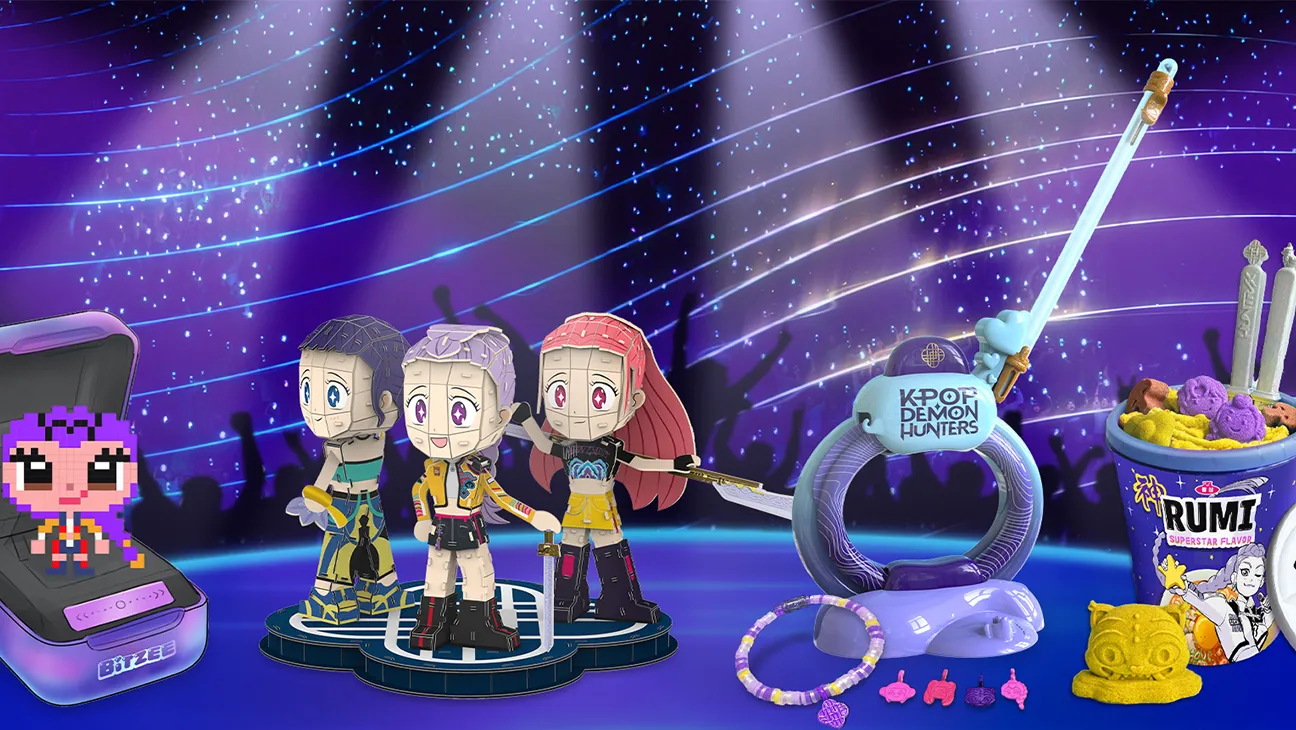
The entertainment industry is constantly evolving, bringing together different cultures, storytelling techniques, and artistic styles to create something entirely new. One of the most exciting examples of this trend is KPop Demon Hunters, a project that combines the worldwide popularity of K-pop with thrilling fantasy action. Instead of focusing only on music or supernatural adventures, it successfully merges both worlds into one visually stunning and emotionally engaging experience.
K-pop has grown from a regional music genre into a global phenomenon. Millions of fans across every continent follow their favorite idols, watch music videos, attend concerts, and actively participate in online fan communities. At the same time, fantasy stories involving demons, magic, heroes, and mythical creatures have always fascinated audiences. Bringing these two genres together creates a fresh concept that appeals to multiple generations of viewers.
What makes KPop Demon Hunters especially interesting is its ability to balance glamorous performances with intense supernatural battles. The characters are not simply singers or performers—they are also protectors who secretly defend humanity against dangerous demonic forces. This unique dual identity gives the story emotional depth while maintaining plenty of action and entertainment.
Another reason the project has attracted widespread attention is its visual creativity. Bright concert stages, colorful costumes, magical powers, detailed animation, and exciting fight sequences work together to create an unforgettable viewing experience. Every scene feels energetic, making it appealing to both K-pop enthusiasts and animation lovers.
In this comprehensive guide, we’ll explore everything about KPop Demon Hunters, including its story, characters, themes, animation, music, cultural significance, fan reception, and why it has become one of the most talked-about animated projects in recent years.
What Is KPop Demon Hunters?
KPop Demon Hunters is an animated fantasy action film that combines modern K-pop culture with supernatural storytelling. The central idea revolves around talented K-pop performers who secretly fight demons while maintaining their public image as internationally famous entertainers.
This dual-life concept immediately distinguishes the movie from traditional animated adventures. During the day—or under the spotlight—the main characters perform concerts, record music, attend interviews, and interact with fans. Behind the scenes, however, they carry the enormous responsibility of protecting the world from supernatural threats that ordinary people cannot see.
The concept works because it blends two seemingly opposite lifestyles. On one side, viewers experience glamorous performances filled with music, choreography, and celebrity culture. On the other side, they witness dangerous battles against powerful enemies using magical abilities and teamwork. The contrast creates constant excitement and keeps audiences invested.
Rather than treating music as simple background entertainment, the story integrates songs into the overall narrative. Performances often become emotionally meaningful moments that strengthen relationships, inspire courage, or symbolize the unity of the characters.
The movie also embraces many familiar elements of fantasy storytelling, including magical artifacts, ancient legends, hidden worlds, mysterious powers, and unforgettable villains. These fantasy elements feel natural because they are carefully woven into the modern entertainment industry rather than existing in a completely separate universe.
The result is an imaginative world where celebrity life and supernatural responsibility exist side by side, offering viewers something genuinely different from traditional animated adventures.
Story Overview
Without revealing major spoilers, the story follows a successful K-pop girl group whose members live double lives. To the public, they are admired performers who entertain millions of fans through concerts, recordings, and television appearances. Secretly, however, they belong to a long tradition of demon hunters responsible for protecting humanity.
As the story progresses, powerful supernatural enemies begin threatening the balance between the human world and the demon realm. The heroines must confront increasingly dangerous opponents while continuing their demanding entertainment careers. This balancing act becomes one of the film’s central conflicts.
Each major battle pushes the characters both physically and emotionally. Success depends not only on magical abilities but also on trust, friendship, communication, and sacrifice. These emotional elements prevent the action from feeling repetitive and instead create meaningful character development.
The movie carefully balances lighter comedic moments with serious emotional scenes. Audiences experience exciting concert performances, humorous interactions between team members, heartfelt conversations, and spectacular supernatural battles. This variety helps maintain an engaging pace throughout the story.
The narrative also explores the consequences of keeping secrets. Living two completely different lives creates pressure, misunderstandings, and difficult decisions. These personal struggles make the characters feel believable despite the fantasy setting.
Ultimately, the story is about much more than defeating monsters. It explores friendship, responsibility, identity, teamwork, courage, and finding strength during difficult situations. These universal themes allow viewers of different ages to connect with the characters.
The Main Characters
One of KPop Demon Hunters’ greatest strengths is its cast of memorable characters. Rather than relying solely on action sequences, the movie invests considerable time in developing the personalities, motivations, and relationships of its protagonists.
Each member of the group possesses a unique personality. One may naturally emerge as the confident leader who keeps everyone focused during dangerous missions. Another might provide comic relief through humor while secretly struggling with personal insecurities. A different member may excel at strategy, carefully analyzing situations before making decisions. These contrasting personalities create believable friendships and entertaining interactions.
The movie also emphasizes teamwork rather than individual heroism. Although every character has unique strengths, true success comes from cooperation. During both concerts and battles, synchronization becomes essential. This mirrors real K-pop groups, where teamwork often determines the quality of performances.
Character growth remains one of the story’s strongest elements. Throughout the film, the heroines confront fears, make difficult sacrifices, overcome personal doubts, and gradually mature into stronger individuals. These emotional journeys make victories feel rewarding because audiences witness the effort required to achieve them.
Supporting characters also contribute significantly to the narrative. Managers, mentors, fans, and allies each play important roles in helping the protagonists navigate both their celebrity careers and their supernatural responsibilities.
Meanwhile, the villains are not presented as generic monsters. Many possess distinct personalities, motivations, and strategies that make confrontations more engaging. Strong antagonists elevate the overall quality of the story by creating meaningful obstacles rather than simple physical threats.
Why the Blend of K-Pop and Fantasy Works So Well
At first glance, K-pop and demon hunting appear completely unrelated. However, the film demonstrates that these two concepts naturally complement each other when combined thoughtfully.
K-pop already emphasizes spectacular visuals. Elaborate costumes, synchronized choreography, dramatic lighting, and carefully designed stage performances create highly theatrical experiences. Fantasy storytelling similarly relies on imaginative visuals, magical transformations, and larger-than-life characters. When these artistic traditions merge, the result feels surprisingly seamless.
Both genres also celebrate transformation. K-pop artists frequently adopt new concepts for different albums, performances, and music videos. Fantasy heroes often transform through magical powers, emotional growth, or legendary weapons. These similarities allow magical battle sequences to feel like natural extensions of performance art.
Music itself becomes an important storytelling device. Instead of functioning merely as background entertainment, songs reflect emotions, relationships, determination, and hope. This integration strengthens the emotional impact of important scenes.
Another major reason the combination succeeds is audience familiarity. Fans of K-pop already appreciate visually rich performances, while fantasy audiences enjoy imaginative worlds and supernatural adventures. By satisfying both groups simultaneously, KPop Demon Hunters reaches a much broader audience than either genre could individually.
Finally, the film avoids making either genre feel secondary. Music remains important throughout the story, while fantasy action receives equal attention. Neither aspect overshadows the other, creating a balanced viewing experience that feels fresh and original.
Themes Explored in the Film
Beyond exciting battles and catchy music, KPop Demon Hunters explores several meaningful themes that resonate with viewers.
One of the strongest themes is identity. The characters constantly balance their public personas with their hidden responsibilities. This reflects a universal human experience—many people present different versions of themselves depending on their environment, whether at work, school, or home.
Friendship is another central theme. The heroes repeatedly discover that trust and communication matter more than raw strength. Their ability to support one another becomes the foundation of every major victory.
The movie also examines responsibility. Being famous performers would already involve significant pressure, yet the protagonists must additionally protect humanity from supernatural danger. Their willingness to accept these responsibilities demonstrates maturity and courage.
Perseverance plays an equally important role. Throughout the story, setbacks, failures, and personal doubts challenge the characters. Rather than giving up, they continue improving through determination and teamwork.
Finally, the film emphasizes hope. Even during its darkest moments, optimism remains a powerful force. Music becomes a symbol of hope capable of inspiring people and strengthening emotional connections between characters and audiences alike.
These deeper themes help elevate KPop Demon Hunters beyond simple entertainment, making it both emotionally engaging and visually spectacular.












Leave a Reply