
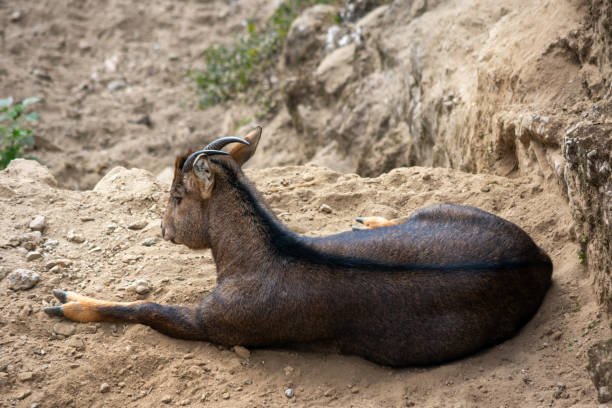
Introduction to Goral
The goral is one of the most fascinating mountain animals found across Asia. Although it is not as famous as deer, goats, or antelopes, this unique mammal plays an important role in the ecosystems where it lives. Known for its remarkable climbing ability and adaptability, the goral has survived in some of the most challenging terrains on Earth.
Belonging to the Bovidae family, gorals share characteristics with goats and antelopes. They are medium-sized ungulates that thrive in steep mountainous regions, rocky slopes, and forested hillsides. Their sturdy bodies, strong legs, and excellent balance allow them to navigate dangerous landscapes with ease.
Many wildlife enthusiasts are intrigued by gorals because of their elusive nature. Unlike animals that frequently appear in open grasslands, gorals often remain hidden among rocky cliffs and dense vegetation. This behavior makes them difficult to observe in the wild and adds to their mystique.
The study of gorals provides valuable insights into mountain ecosystems, wildlife adaptation, and conservation challenges. As human activities continue expanding into natural habitats, understanding species like the goral becomes increasingly important.
This comprehensive guide explores everything you need to know about gorals, including their physical characteristics, habitat, behavior, diet, reproduction, ecological significance, conservation status, and future prospects.
What Is a Goral?
A goral is a hoofed mammal belonging to the genus Naemorhedus. It is closely related to goats, sheep, and antelopes, although it possesses distinctive characteristics that set it apart from these animals.
Gorals are generally medium-sized creatures with compact bodies and short tails. They possess coarse fur that varies in color from gray and brown to reddish-brown, depending on the species and habitat. Their coloration helps them blend into rocky environments and avoid predators.
One of the most notable features of gorals is their horns. Both males and females typically possess short, slightly curved horns. Unlike the large horns seen in some mountain goats, goral horns are relatively modest but still serve important purposes in defense and social interactions.
Gorals are known for their agility. Their muscular legs and specialized hooves allow them to climb steep cliffs and navigate rocky terrain with remarkable confidence. This ability provides protection from predators and enables them to access food sources that other animals may find difficult to reach.
Scientists classify several species under the goral category, each adapted to specific regions. Despite minor differences, all gorals share core traits that make them highly successful mountain dwellers.
The Physical Characteristics of Gorals
The physical appearance of a goral reflects millions of years of adaptation to mountainous environments. Every aspect of its body contributes to survival in rugged terrain.
Most gorals stand between 50 and 80 centimeters at the shoulder. Their weight generally ranges from 25 to 40 kilograms, although this can vary by species, age, and habitat conditions. Their compact size allows them to move efficiently through rocky landscapes.
The coat of a goral is particularly important. Thick and coarse fur provides insulation against cold temperatures commonly found at higher elevations. Seasonal changes may influence coat thickness, helping the animal remain comfortable throughout the year.
Their legs are strong and well-developed. Unlike animals adapted to running across open plains, gorals require exceptional balance and climbing ability. Their muscular limbs provide the power necessary to leap between rocks and ascend steep slopes.
The hooves of gorals are another remarkable adaptation. They are designed to grip uneven surfaces and maintain stability on rocky terrain. This specialized structure significantly reduces the risk of slipping while climbing.
Facial features include large eyes and alert ears, which help detect predators and environmental changes. These sensory adaptations contribute to the goral’s ability to survive in often-dangerous mountain habitats.
Habitat and Geographic Distribution
Gorals are native to various parts of Asia and occupy a wide geographic range. Their habitats are typically characterized by mountainous terrain, steep slopes, and forested regions.
Countries where gorals can be found include China, India, Nepal, Bhutan, Pakistan, Myanmar, Thailand, and parts of Russia. Each species has adapted to local environmental conditions within these regions.
Mountain ecosystems provide several advantages for gorals. The rugged terrain offers protection from predators and human disturbance. Rocky cliffs also create opportunities for escape when danger approaches.
Forested mountain slopes are particularly valuable because they provide food, shelter, and cover. Dense vegetation allows gorals to remain concealed while feeding and resting. This combination of forests and rocky terrain creates ideal living conditions.
Altitude preferences vary depending on the species and local climate. Some gorals inhabit lower mountain regions, while others thrive at elevations exceeding several thousand meters above sea level.
The availability of suitable habitat directly influences population health. Habitat loss caused by deforestation, infrastructure development, and agricultural expansion poses significant challenges for many goral populations.
Different Species of Goral
Several recognized species belong to the goral group. Although they share many similarities, each species possesses unique traits and occupies distinct geographic regions.
The Himalayan goral is one of the most well-known species. It inhabits the Himalayan mountain range and surrounding areas. Adapted to steep slopes and rugged environments, it is often observed in forested mountain habitats.
The Chinese goral is another important species. Found primarily in China and neighboring regions, it demonstrates many of the classic characteristics associated with gorals, including agility and adaptability.
The Long-tailed goral is distinguished by its relatively longer tail and specific geographic distribution. It inhabits parts of northeastern Asia and has become an important focus of conservation efforts.
The Red goral stands out because of its reddish coloration. This species occupies certain regions of Southeast Asia and is often associated with dense forest environments.
Researchers continue studying these species to better understand their evolutionary relationships, ecological roles, and conservation needs. Ongoing scientific work helps improve protection strategies and ensures more accurate classification.
Diet and Feeding Habits
The goral is primarily a herbivore, relying on a diverse range of plant materials for nutrition. Its feeding behavior reflects the challenges and opportunities presented by mountain environments.
Grass forms a significant portion of the goral’s diet. During seasons when grasses are abundant, these animals spend considerable time grazing on mountain slopes and clearings.
Leaves are another important food source. Gorals frequently browse shrubs, small trees, and various types of vegetation. This browsing behavior allows them to access nutrients even when grasses become scarce.
Herbs, shoots, and fruits may also contribute to their diet depending on seasonal availability. Flexibility in feeding habits helps gorals survive changing environmental conditions.
Water requirements are generally met through natural springs, streams, and moisture-rich vegetation. In some mountainous regions, access to water can be challenging, making efficient resource use essential.
The ability to exploit diverse food sources enhances the goral’s resilience and contributes to its success in often-harsh environments.
Behavior and Social Structure
Gorals exhibit fascinating behaviors that help them survive in mountainous habitats. Their daily activities are shaped by environmental conditions, predator threats, and resource availability.
Most gorals are relatively shy and cautious animals. They tend to avoid unnecessary risks and often retreat to difficult terrain when threatened. This behavior significantly reduces predation risk.
Many gorals are active during the early morning and late afternoon. These periods offer favorable temperatures and reduced exposure to predators. Activity patterns may vary according to local conditions.
Social behavior differs among populations and species. Some gorals are frequently observed alone, while others form small groups. These groups often consist of females and their offspring.
Communication occurs through vocalizations, scent marking, and body language. Although not highly vocal compared to some species, gorals use various signals to maintain social relationships and warn of danger.
Territorial behavior may occur in certain contexts, particularly during breeding seasons. Males often compete for access to mates and may engage in displays of strength and dominance.
Reproduction and Life Cycle
The reproductive cycle of gorals is carefully adapted to mountain environments. Timing plays a crucial role in ensuring offspring are born when conditions are most favorable.
Breeding seasons vary depending on species and geographic location. Environmental factors such as climate and food availability often influence reproductive timing.
Male gorals compete for mating opportunities through displays and occasional physical confrontations. Stronger individuals typically gain greater access to females during the breeding season.
After successful mating, females undergo a gestation period lasting several months. Most births involve a single offspring, although twins may occasionally occur.
Newborn gorals are remarkably capable from an early age. Within a short time after birth, they can stand, walk, and follow their mothers. This rapid development is essential in habitats where predators pose constant threats.
Maternal care plays a significant role in offspring survival. Mothers protect, guide, and nourish their young until they become independent and capable of navigating mountain environments on their own.
Conclusion
The goral is a remarkable mountain mammal that demonstrates the incredible adaptability of wildlife. Through specialized physical traits, flexible feeding habits, and cautious behavior, it has successfully inhabited some of Asia’s most challenging environments.
Its importance extends beyond its own survival. Gorals contribute to ecosystem balance, support biodiversity, and provide valuable insights into mountain ecology. Their presence reflects the health of the habitats they occupy.
As conservation challenges continue to grow, protecting gorals and their habitats becomes increasingly important. By understanding these fascinating animals, we can better appreciate the complexity of nature and the need for responsible environmental stewardship.















Leave a Reply