
Introduction
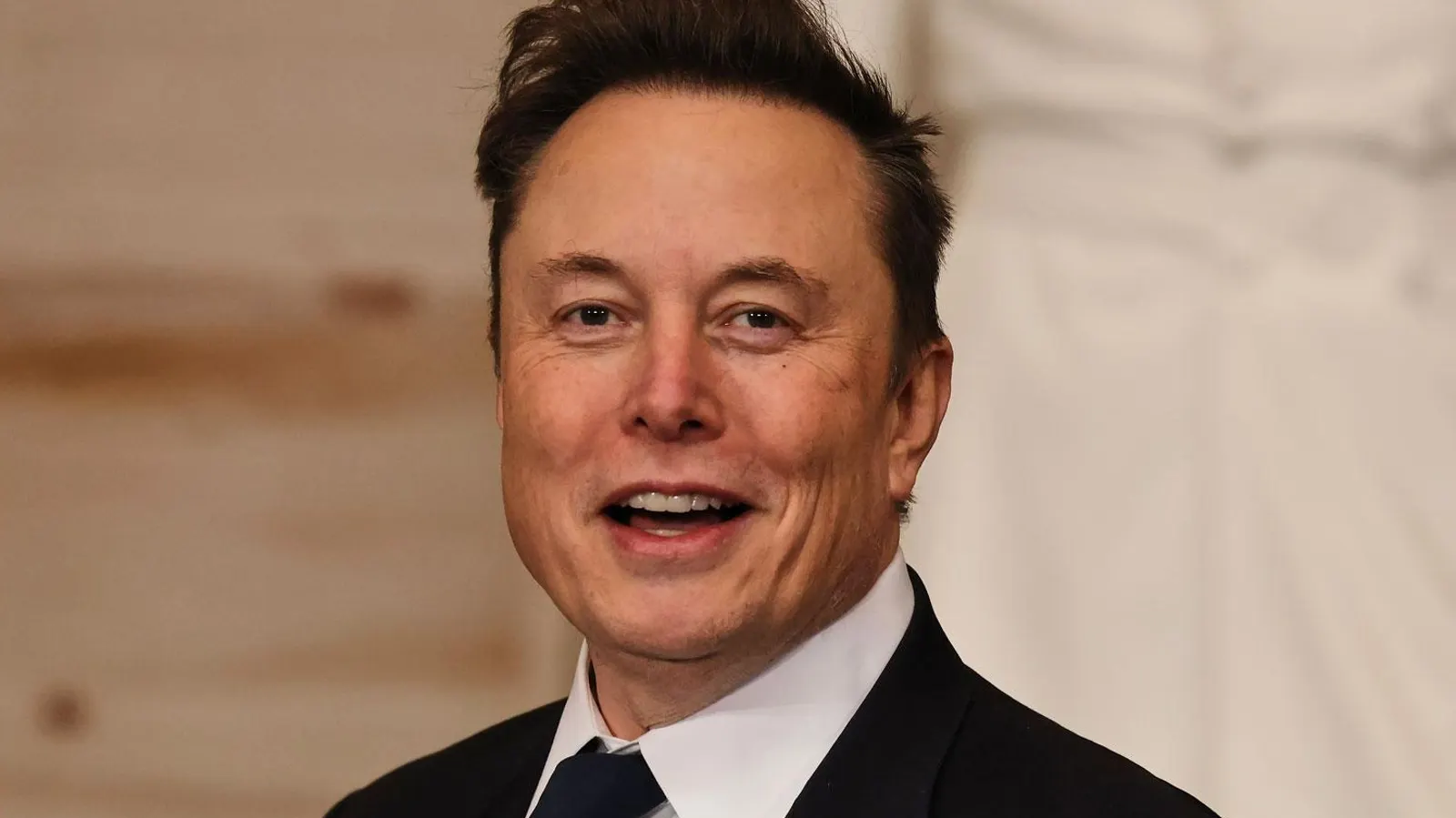
The title of the richest man in the world has fascinated people for decades. It represents much more than simply having the largest bank balance. It symbolizes innovation, business success, investment expertise, risk-taking, and the ability to build companies that transform industries across the globe. Every year, millions of people search for the richest person on Earth because they are curious about how immense fortunes are created, managed, and sustained.
Unlike ordinary income, billionaire wealth is largely tied to ownership in businesses. The world’s richest individuals generally do not keep hundreds of billions of dollars in cash. Instead, their wealth comes from shares in publicly traded companies, private businesses, real estate holdings, investments, and other valuable assets. Because stock prices fluctuate daily, the identity of the richest man in the world can change throughout the year.
In today’s economy, technology has become one of the biggest drivers of wealth creation. Many of the world’s wealthiest people built companies that revolutionized online shopping, electric vehicles, cloud computing, artificial intelligence, social media, or software development. Their businesses influence billions of people every day, making their financial success closely connected to technological innovation.
Another reason this topic attracts widespread attention is inspiration. Entrepreneurs, students, investors, and business professionals often study the journeys of billionaires to understand what contributed to their remarkable achievements. While no two success stories are identical, common themes such as perseverance, long-term thinking, calculated risk-taking, and continuous innovation frequently emerge.
This comprehensive guide explores everything about the richest man in the world, including how wealth is measured, who has held the title over time, what industries generate enormous fortunes, the role of investments, philanthropy, controversies, and the lessons aspiring entrepreneurs can learn.
What Does “Richest Man in the World” Actually Mean?
When people hear the phrase “richest man in the world,” many imagine someone with unlimited cash sitting inside enormous vaults. The reality is much more complex. Wealth is calculated using the value of assets rather than physical cash.
Most billionaires own significant stakes in companies they either founded or invested in. If the share price of their company increases, their net worth rises dramatically. Likewise, if the stock market falls, billions of dollars may disappear from their estimated fortune within a single day.
Net worth is generally calculated by adding together all major assets—including company shares, private businesses, investments, luxury properties, yachts, aircraft, artwork, and cash—and then subtracting debts or liabilities. Financial publications update these estimates regularly because asset values constantly change.
Because valuations fluctuate daily, rankings among billionaires frequently shift. Someone who ranks first today could become second tomorrow if stock prices decline. Therefore, being the richest man in the world is often a dynamic position rather than a permanent title.
Another important consideration is that billionaire rankings rely on publicly available information. Private investments and confidential financial arrangements are difficult to value accurately, so published net worth estimates should always be viewed as informed approximations rather than exact figures.
How Billionaire Wealth Is Calculated
Estimating billionaire wealth requires sophisticated financial analysis. Analysts examine ownership stakes in public companies, private businesses, investment portfolios, real estate, and numerous other assets.
Public company shares are relatively easy to value because their market prices are available in real time. If a billionaire owns 15% of a company worth $1 trillion, that ownership stake alone may be worth $150 billion.
Private companies present a greater challenge because they are not traded on stock exchanges. Analysts estimate their values using comparable businesses, funding rounds, revenue growth, profitability, and industry trends.
Real estate portfolios also contribute significantly to many fortunes. Commercial buildings, luxury homes, hotels, industrial properties, and land holdings often appreciate substantially over time.
Investment portfolios frequently include bonds, startup investments, venture capital funds, hedge funds, cryptocurrencies, and international assets. These holdings further diversify billionaire wealth.
Despite detailed analysis, estimating total wealth remains imperfect because many assets are privately owned, difficult to value, or constantly changing in price.
Industries That Create the World’s Richest People
Certain industries consistently produce the world’s wealthiest individuals. Technology remains the dominant sector because software and digital platforms can scale globally with relatively low operating costs.
Technology entrepreneurs often build products used by billions of people. Cloud computing, artificial intelligence, social networking, semiconductors, online retail, and enterprise software have created unprecedented financial opportunities.
Luxury goods represent another major source of billionaire wealth. Premium fashion, jewelry, cosmetics, and high-end consumer brands generate enormous profits through global demand and strong brand recognition.
Finance has also produced many billionaires. Investment firms, hedge funds, private equity companies, and asset management organizations control trillions of dollars in capital.
Energy continues to create significant wealth, especially through oil, natural gas, renewable energy, and infrastructure investments. Commodity prices can dramatically increase fortunes during favorable market conditions.
Real estate development remains another important wealth generator. Successful developers build residential communities, commercial centers, hotels, and industrial parks that appreciate over decades.
The diversity of industries demonstrates that extraordinary wealth can be achieved through multiple paths, provided businesses solve meaningful problems and create long-term value.
The Qualities Shared by the World’s Richest Billionaires
Although every billionaire has a unique story, many share common characteristics that contributed to their success.
One defining quality is long-term thinking. Instead of focusing solely on short-term profits, many successful entrepreneurs invest years or even decades building sustainable businesses capable of continuous growth.
Innovation also plays a central role. Rather than copying existing ideas, many billionaires introduced products or services that fundamentally changed industries. Their willingness to challenge traditional business models often created entirely new markets.
Calculated risk-taking is another recurring trait. Building global companies requires making difficult decisions despite uncertainty. Successful entrepreneurs embrace measured risks while carefully evaluating potential outcomes.
Continuous learning is equally important. Many billionaires remain deeply involved in understanding emerging technologies, changing consumer behavior, and evolving markets even after achieving financial success.
Resilience deserves special mention. Nearly every billionaire experienced setbacks, failures, criticism, or financial difficulties before eventually succeeding. Their ability to recover from adversity often distinguishes them from competitors.
Leadership is another critical factor. Building multinational organizations requires attracting talented employees, inspiring innovation, and maintaining strong corporate cultures capable of adapting to changing conditions.
The Role of Innovation in Building Massive Wealth
Innovation lies at the heart of nearly every modern billionaire success story. The world’s richest individuals rarely became wealthy by simply following established business practices. Instead, they identified opportunities where existing solutions failed to meet customer needs.
Innovation extends beyond inventing new products. It also includes improving manufacturing efficiency, developing better business models, enhancing customer experiences, and leveraging technology to solve complex problems.
Digital transformation has accelerated innovation dramatically. Companies can now reach global audiences almost instantly through the internet, allowing entrepreneurs to scale businesses faster than ever before.
Artificial intelligence represents one of today’s most significant innovation drivers. Businesses integrating AI into software, healthcare, manufacturing, finance, and transportation continue attracting enormous investment and creating substantial shareholder value.
Innovation also requires adaptability. Markets evolve rapidly, and companies that fail to innovate risk losing competitive advantages. Many billionaires maintain their wealth by continuously investing in research, development, and emerging technologies.
Ultimately, innovation remains one of the strongest predictors of long-term business success and wealth creation.
Entrepreneurship Versus Investing
People often wonder whether entrepreneurship or investing offers the better path toward extraordinary wealth. In reality, many billionaires combine both approaches.
Entrepreneurs create businesses from the ground up. They identify market opportunities, develop products, hire employees, secure financing, and manage daily operations. Successful entrepreneurship offers unlimited upside but involves substantial risk.
Investors allocate capital to businesses they believe will grow over time. Rather than building companies themselves, investors profit by identifying promising opportunities and supporting capable management teams.
Some of the richest individuals started as entrepreneurs before becoming investors. After building successful companies, they diversified into venture capital, startups, real estate, and public markets.
Long-term investing emphasizes patience. Compounding returns over decades can generate remarkable wealth even without founding a business.
Entrepreneurship and investing each require different skills, but both reward strategic thinking, discipline, financial literacy, and sound decision-making.
Lessons Everyone Can Learn from the Richest Man in the World
The world’s wealthiest individuals offer valuable lessons that extend far beyond financial success.
First, solving meaningful problems creates value. Billionaire entrepreneurs generally built products or services that improved millions—or even billions—of lives.
Second, continuous learning never stops. Markets, technologies, and consumer preferences evolve constantly. Remaining curious and adaptable supports long-term success.
Third, patience matters. Extraordinary businesses rarely develop overnight. Many globally successful companies required decades of consistent improvement before achieving dominance.
Fourth, embracing calculated risk often leads to exceptional opportunities. Fear of failure prevents many people from pursuing ambitious ideas.
Finally, reputation and integrity remain important assets. Sustainable success depends on earning trust from customers, employees, investors, and business partners.
These lessons apply regardless of career path. While few people will become billionaires, adopting similar principles can contribute to professional growth, financial stability, and entrepreneurial achievement.
Conclusion
The title of the richest man in the world represents far more than financial wealth alone. It reflects innovation, leadership, perseverance, strategic thinking, and the ability to create businesses that influence the global economy.
Although rankings change as markets fluctuate, the underlying principles behind extraordinary wealth remain remarkably consistent. Long-term vision, continuous innovation, disciplined investing, resilience, and strong leadership repeatedly appear throughout the journeys of the world’s most successful entrepreneurs.
Understanding how billionaire wealth is created provides valuable insight not only into global business but also into the habits and strategies that support sustainable success. While reaching the very top of the billionaire rankings is exceptionally rare, the lessons learned from these remarkable individuals can inspire anyone seeking personal or professional growth.














Leave a Reply